
Small properties
Hotel software for small hotels
Most advice about hotel software is written with a hundred-room property in mind and quietly assumes you have staff. This guide is for the fifteen-room hotel, the guest house and the resort where the owner is also the manager — including the parts where the honest answer is that you do not need what you are being sold.
- The trigger is channel count, not room count. Two OTAs plus walk-ins means the same room is sold in three places.
- Five things are genuinely necessary — booking chart, folio, GST invoice, housekeeping status, channel manager. The rest is useful, not required.
- Beware per-user pricing. Three shifts plus an owner is four users before you have started.
- Free is rarely free — the revenue usually appears as a per-booking fee on the booking engine.
- Realistic Indian pricing at this size: ₹8,000–₹15,000 a year, more with F&B and banquets.
When a register stops being enough
A paper register is not a failure of professionalism. For a genuinely small operation with one booking source it is fast, reliable and free, and plenty of good properties have run on one for decades.
What changes the calculation is not size. It is how many places the same room is being sold.
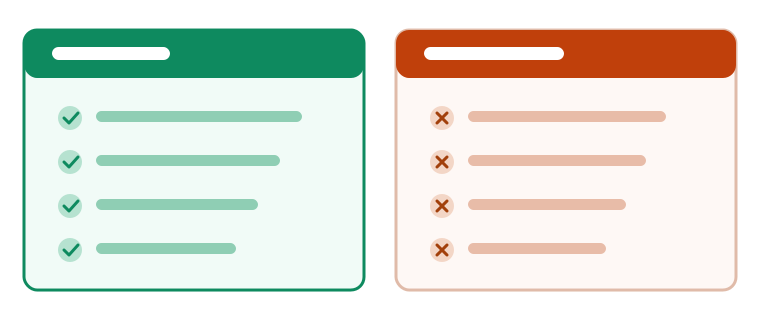
A register is now a risk if
- You are listed on two or more OTAs
- More than one person takes bookings
- You take walk-ins as well as online bookings
- You issue GST invoices
- You cannot say what last month's occupancy was
- You have had a double-booking in the last year
A register is still fine if
- Four to six rooms, one host
- Bookings arrive on WhatsApp and nowhere else
- You are not listed on any OTA
- No restaurant, no functions
- The property is seasonal and shut half the year
- Nobody but you ever touches a booking
One booking channel is a diary problem. Three booking channels is a database problem.
The five things you genuinely need
Software for small properties is usually sold as a long feature list. Here is the short version of what actually earns its place at fifteen rooms.
| What | Why it matters at this size |
|---|---|
| A booking chart | One place showing who is in which room on which dates — the register, but impossible to double-sell from |
| Check-in with a folio | So the balance at checkout is current rather than assembled from memory and slips |
| Correct GST invoices | Slab by tariff, right tax split, printed or on WhatsApp. Getting this wrong is a compliance problem, not an inconvenience |
| Live housekeeping status | Even at fifteen rooms, "is 204 ready" should not require walking upstairs |
| A channel manager | Only if you list on OTAs — but if you do, this is the piece that prevents the expensive mistake |
Add a booking engine if you have a website worth sending people to, and F&B if you have a restaurant. Everything else can wait until you feel the absence of it.
What small hotels get oversold
Being direct about this, including where it costs us a sale:
| Commonly sold | The reality at fifteen rooms |
|---|---|
| Revenue management and dynamic pricing | Powerful, and requires someone to use it. If nobody has an hour a week for rate strategy, it is a line item, not a tool |
| Loyalty programmes with tiers and points | Your guest base is too small to segment meaningfully. Recognising a returning guest by name does more |
| Self-service kiosks | Expensive hardware for a property where someone is usually at the desk anyway. A check-in link achieves more for nothing |
| Per-user licensing | Actively wrong at this size — three shifts plus the owner is four users before you begin |
| Full hardware packages | Most small properties need a computer they already own and one printer |
| Enterprise reporting suites | You need occupancy, ADR, revenue and who owes you money. Not forty dashboards |
By property type
| Property | What matters | What to skip |
|---|---|---|
| 15–30 room hotel | Booking chart, folio, GST, channel manager, housekeeping | Revenue management, loyalty tiers, kiosks |
| Guest house | Simplicity, mobile access, clean invoicing, ID capture | City ledger, banquets, night audit depth |
| Homestay or villa | Airbnb sync, one calendar, simple billing | Almost everything else |
| Small resort with F&B | Charge-to-room, packages and meal plans, banquets if you host functions | Enterprise revenue tools |
| Hostel | Bed-level inventory rather than rooms, dorm rules | Corporate ledger, banquets |
| Two or three properties | One login across all, consolidated view | Central reservations desk infrastructure |
What it should cost
Four questions that matter more at this size than at any other:
- Is it per user or unlimited? Per-user pricing is designed for larger properties and penalises you for having shifts.
- Is onboarding included? A one-off setup fee larger than the annual licence is common and worth negotiating.
- Does the booking engine charge per booking? At small volumes this looks harmless and compounds.
- What is included versus an add-on? Get the year-two picture, not the year-one price.
The free software question
Free hotel software exists and it is worth understanding the model before committing your reservations to it. The revenue has to come from somewhere, and usually it is one of:
- A per-booking fee on the booking engine — often the real business, and expensive once volume grows.
- Room or channel limits that you outgrow at precisely the point switching is most disruptive.
- Paid support, meaning the software is free and help is not.
- Upsell to a paid tier once you depend on it.
None of that is dishonest, and free can be genuinely right for a very small property. Just read where the money comes from, and check you can export your own data before you put a year of reservations in.
Getting set up without a project
Implementation at a small property should be days, not weeks. What the time actually goes on:
- Room types and tariffsA couple of hours, and worth doing carefully. Rate plans set up properly here decide whether your reports mean anything later.
- Tax settingsGet GST slabs right at setup with your CA on the phone if necessary. Fixing it after a month of invoices is far more work.
- OTA connectionsUsually the longest step, because it depends on the channels responding rather than on you.
- TrainingAn afternoon for a small team. If it needs a week, the software is wrong for your size.
- Going liveStart on a quiet day, not a Friday, and keep the register running alongside for the first week.
Frequently asked questions
Does a small hotel need a PMS?
The test is channel count, not room count. Selling the same rooms through more than one source makes a register a risk. Below about eight rooms with one booking source, a diary can still work.
What is the minimum I actually need?
A booking chart, check-in with a folio, correct GST invoices, live housekeeping status, and a channel manager if you list on OTAs.
What are small hotels oversold?
Revenue management nobody has time to use, loyalty tiers for too small a guest base, kiosks, per-user licences and oversized hardware packages.
How much should I pay?
₹8,000–₹15,000 a year at entry level in India, ₹20,000–₹60,000 with F&B, banquets and accounting. See Zotaki pricing.
Can one person run a small hotel on a PMS?
Yes. Cloud systems run in a browser on a laptop or tablet, and an owner-manager can check occupancy from a phone.
Do I need a channel manager with only two OTAs?
Two OTAs plus your website is three places the same room is sold — which is where double-bookings come from. See channel manager software.
Is free hotel software worth using?
Sometimes, but read where the revenue comes from — often a per-booking fee on the booking engine, which grows expensive.
How long does setup take?
A few days. Room types and taxes are a couple of hours; OTA connections take longest; training is an afternoon.
What if my internet is unreliable?
Ask each vendor exactly what stops working in an outage. Some keep billing running locally; others stop. See cloud-based hotel PMS.
Should a homestay use hotel software?
If listed on OTAs with more than a handful of bookings a month, yes — mainly for availability sync and clean invoicing.